
DESCRIPTION
These digital downloads are included:
-
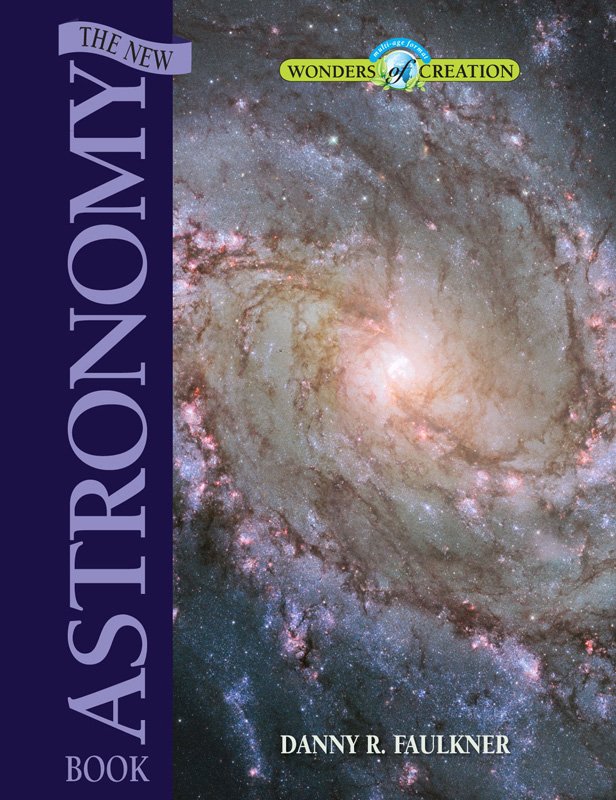
The New Astronomy Book
(MOBI
- 26.7 MB)
For Kindle. -
The New Astronomy Book
(EPUB
- 19.1 MB)
For fixed-layout epub3 compatible ereaders only, including iBooks for iOS, Readium plugin for Chrome, and Infinity Reader or Gitden Reader for Android. - The New Astronomy Book (PDF - 19.6 MB)
How downloads work:
- Add the digital item to your cart.
- Enter your email address during checkout delivery step.
- Check your email or account page to access your new digital download!
To gift a digital download, just enter the recipient’s email address during the checkout delivery step.
Overview
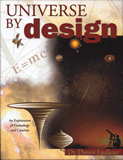
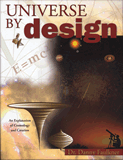
Just how intricately designed is the universe? The moon not only influences the tides on earth, but also causes rocks to “stretch!” Now take an incredible look at the mysteries and marvels of space in The New Astronomy Book!
The universe is an amazing declaration of the glory and power of God!
Beautiful and breathtaking in its scale, the vast expanse of the universe is one that we struggle to study, understand, or even comprehend in terms of its purpose and size. Now take an incredible look at the mysteries and marvels of space in The New Astronomy Book!
- Discover the best ways to observe the heavens, along with up-to-date astronomical data and concepts
- Learn about the dynamics of planets, stars, galaxies, and models for the cosmology of the universe
- What we know and are still trying to discover about planets, moons, and comets within our own solar system.
If you watch the stars at night, you will see how they change. This speaks to the enormity and intricacy of design in the universe. While the stars appear timeless, they instead reflect an all–powerful Creator who speaks of them in the Bible. Many ancient pagan cultures taught that the changing stars caused the seasons to change, but unlike these pagan teachings, the Book of Job gives credit to God for both changing stars and seasons (Job 38:31-33). When Job looked at Orion, he saw about what we see today, even though he may have lived as much as 4,000 years ago.
Our best-selling Wonders of Creation Series is getting even better!
The series is being developed with an enhanced educational format and integrated with a unique color-coded, multi-skill level design to allow ease of teaching the content to three distinct levels. The New Astronomy Book has been developed with three skill levels in mind. These can be utilized for the classroom, independent study, or homeschool setting and also be customized per the abilities of the student.
Book includes a 24-inch, full-color, pull-out poster!
PRODUCT DETAILS
Format: Hardcover
Dimensions: 8.5" x 11"
Length: 96 pages
Technicality: Layman
Ages: 7 and up
Publisher: Master Books
Published: 2014
ID: 1000753
SKU: 10-1-604
ISBN: 9780890518342
ABOUT THE AUTHOR

Dr. Danny R. Faulkner
Dr. Danny Faulkner holds an MS in physics from Clemson University, an MA and a PhD in astronomy from Indiana University, and he taught at the University of South Carolina—Lancaster for over 26 years. He has published over 100 papers in various journals.



Support the creation/gospel message by donating or getting involved!

Answers in Genesis is an apologetics ministry, dedicated to helping Christians defend their faith and proclaim the good news of Jesus Christ.
- Customer Service 800.778.3390
- Available Monday–Friday | 9 AM–5 PM ET
- © 2026 Answers in Genesis