

Reptiles
Alligators
Two ingenious design features make the alligator a fearsome predator as he chases fish, birds, and small mammals. But alligators were not always meat-eaters. Like other predators in this now-fallen world, they continue to remind us about the Curse caused by Adam’s sin.
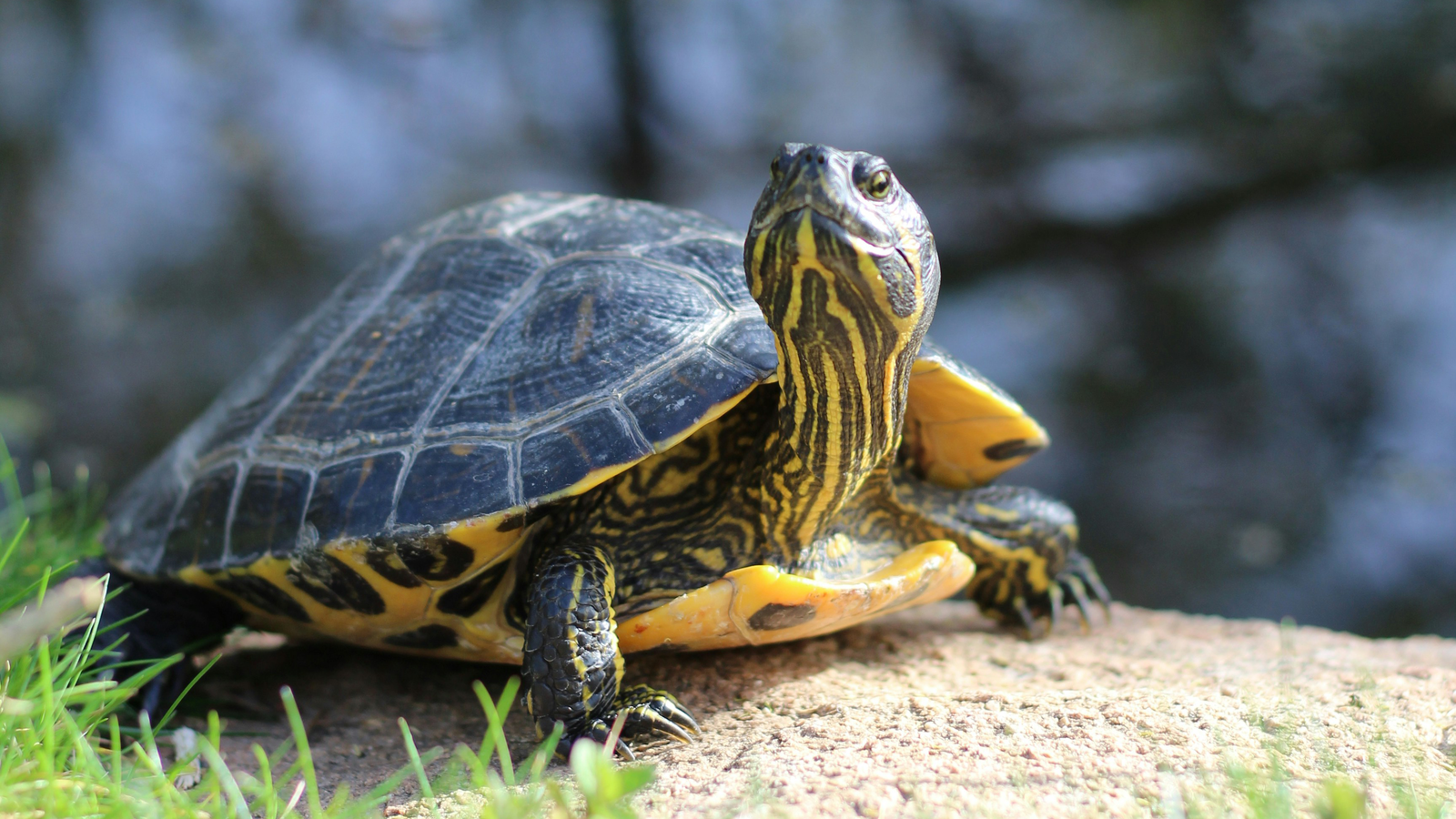
Turtles in the Winter
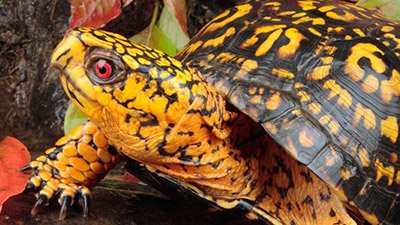
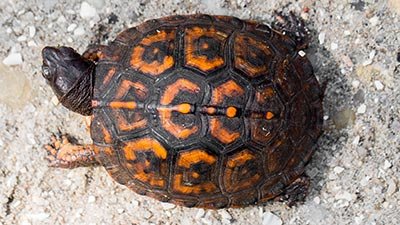
Box turtles truly take “hibernation” to another level. What special provision enables these four-legged tanks to endure subzero weather in such woefully shallow burrows? The answer sounds almost like science fiction. God equipped them with antifreeze!
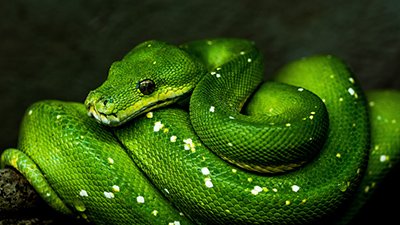
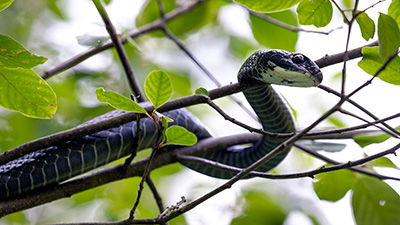
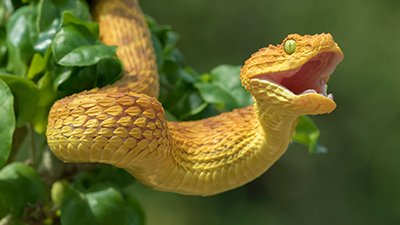
Legs on a Snake?
A leg on a snake would not be a truly novel genetic feature, since there is evidence that the snake genome once had the information to produce legs. The leglessness of snakes today represents a corruption, loss, or deactivation of that information.
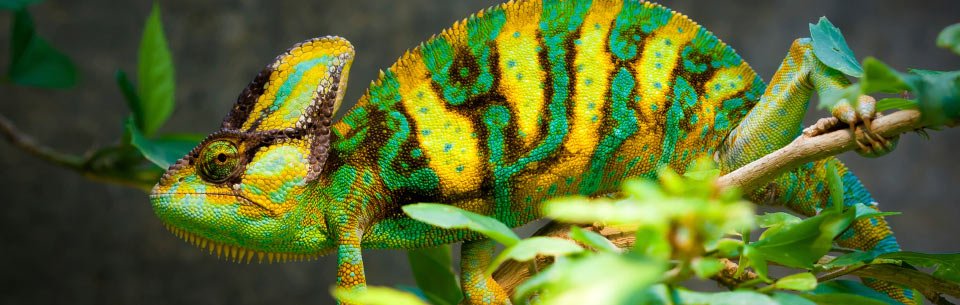
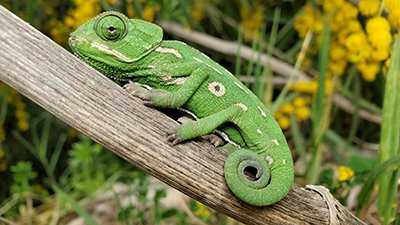
Chameleons: Walking Bug-Zappers
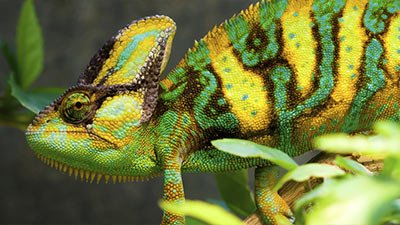
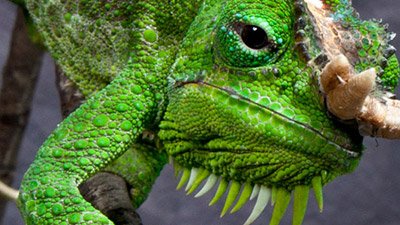
Stealth. Patience. Vigilance. Slowly the hunter moves unseen among the branches. His independently rotating eyes constantly scan the leafy canopy in every direction. No insect is safe within striking distance of his infamous weapon—a fast-acting and deadly accurate catapulting tongue. Aided by his steady grip and excellent vision, the chameleon is always ready to seize unsuspecting prey.
Articles About Reptiles
-
March 2, 2026 from Ken Ham Blog
A recent article is titled, “Israeli researchers find humans and turtles, share key brain function going back 320 million years.”
-
March 27, 2025 from Ken Ham Blog
How Fijian iguanas made the journey to the islands of Fiji has been a mystery in the evolutionary worldview—but researchers think they’ve solved the mystery.
-
Feb. 16, 2025 from Answers Magazine
The existence of venom in so many animals has long challenged creationists. How did it show up in a very good creation?
-
Jan. 27, 2025 from Ken Ham Blog
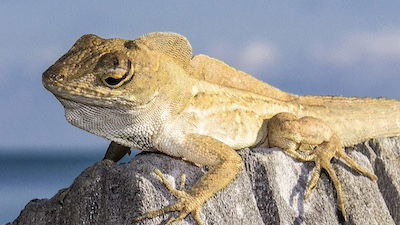
According to reports, scientists are getting “front row seats of evolution unfolding in real time,” as two lizard species interact for the first time in Florida.
-
Oct. 6, 2024 from Answers Magazine
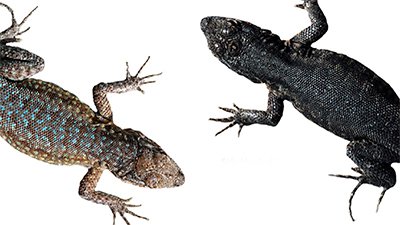
Scientists studying a species in the Mojave Desert, known as side-blotched lizards, have learned that individual lizards can change coloring within a few weeks.
-
May 24, 2022 from Ken Ham Blog
A study comparing the original Kenyan chameleons with the Hawaiian populations found the island dwellers were 30% brighter than their African counterparts.
-
May 1, 2022 from Answers Magazine
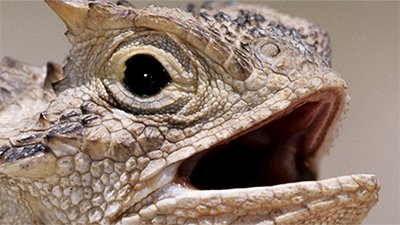
Horned lizards aren’t known for speed to avoid predators or venom to bring down threats. But these miniature dragons have tricks for desert survival.
-
Aug. 1, 2017 from 10 Cursed Creatures with Undeniable Design
The gecko is designed to climb. Scientists had to magnify the gecko’s foot thousands of times to find out its secret to defying gravity.
-
Jan. 7, 2017 from Answers Magazine
Eastern box turtles can literally be “frozen alive” and emerge unharmed.
-
Nov. 22, 2016 from Answers in Depth
Hailed as a transitional form between modern snakes and their supposed lizard ancestors, Tetrapodophis amplectus is now the subject of heated controversy.
-
Sept. 18, 2016 from Answers Magazine
You don’t have to travel to Paris to see one of the world’s greatest cathedrals. If you look carefully, one may be walking around in your own backyard.
-
Dec. 20, 2015 from Answers Magazine
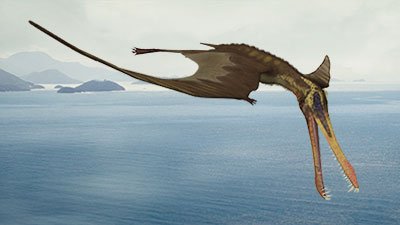
Winged reptiles were primitive, clumsy, “prehistoric” beasts, barely able to get off the ground, right? Take a closer look and see.
-
June 14, 2015 from Answers Magazine
This issue of Answers in filled with muscular tools—many articles to help you on topics where the Bible is under attack.
-
Chameleons’ Color of Divine WisdomApril 18, 2015
Chameleons’ skin color can shift dramatically, and in just a few minutes their colors can revert back to the original. How do they do this?
-
April 27, 2014 from Answers Magazine
A chameleon might look bizarre to you, but not to a bug.
-
Magazine Department ArticleThorny DragonJan. 1, 2014 from Answers Magazine
Ever race in the hot sun without a hydration pack? Well, you wouldn’t stand a chance against this scary-looking critter.
-
Magazine Department ArticleSnake MedicineApril 1, 2013 from Answers Magazine
Besides being the fastest land snake, the black mamba also has one of the fastest-acting snake vemons of any land snake.
-
Magazine Department ArticleVertebratesimalsJune 22, 2012 from Answers Magazine
In late 2011, scientists described a newly discovered chameleon species on Madagascar.
-
African Reptile First With a True PlacentaOct. 15, 2011 from News to Know
The skink that breaks the rules
-
May 29, 2011 from Answers Magazine
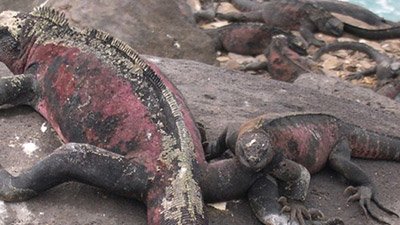
The marine iguana displays special design for sneezing excess salt.


Support the creation/gospel message by donating or getting involved!

Answers in Genesis is an apologetics ministry, dedicated to helping Christians defend their faith and proclaim the good news of Jesus Christ.
- Customer Service 800.778.3390
- Available Monday–Friday | 9 AM–5 PM ET
- © 2026 Answers in Genesis