

-
The Gap Theory
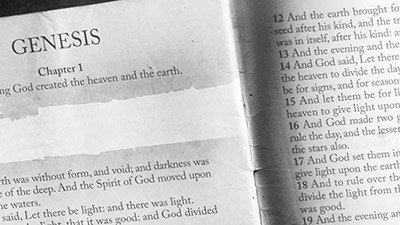
According to the gap theory, there’s a very long span of time between Genesis 1:1 and 1:2. The world that existed during this gap was destroyed, and God recreated it in the six days described in Genesis. This idea fails because it lacks biblical support and puts death before sin, while Scripture describes death as the consequence for sin.
-
Gap Theory
https://answersingenesis.org/genesis/gap-theory/One popular interpretation of Genesis 1 shoehorns a millions-of-years gap between verses 1 and 2. Is this a valid interpretation?
-
The Gap & Ruin-Reconstruction Theories
https://answersingenesis.org/genesis/gap-theory/what-about-the-gap-and-ruin-reconstruction-theories/Because of the accepted teachings of evolution, many Christians have tried to place a gap of indeterminate time between the first two verses of Genesis 1.
-
The Gap Theory—an Idea with Holes?
https://answersingenesis.org/genesis/gap-theory/the-gap-theory-an-idea-with-holes/Many people assume there is a great gap in time between Genesis 1:1 and Genesis 1:2.
-
The Gap Theory (Part B)
https://answersingenesis.org/genesis/gap-theory/the-gap-theory-part-b/The interpretation of Genesis 1:1–2, as it applies to the Gap (Ruin-Reconstruction) Theory, revolves around four major points.
-
The Gap Theory (Part A)
https://answersingenesis.org/genesis/gap-theory/the-gap-theory-part-a/There have been many attempts to harmonize or combine the Genesis account of the creation with orthodox “modern” geology—e.g. theistic evolution and progressive creation.
-
What's in the Gap?
https://answersingenesis.org/genesis/gap-theory/whats-in-the-gap/Gap theorists insert millions of years between the first two verses of Genesis. But what really lurks in that gap?
-
Closing the Gap
https://answersingenesis.org/genesis/gap-theory/closing-the-gap/Two centuries ago in an effort to explain “prehistoric” fossils, Christian leaders introduced the idea that a gap of time is missing between Genesis 1:1 and 1:2.
-
Mind the Gap
https://answersingenesis.org/genesis/gap-theory/mind-the-gap/The gap theory is simply compromise. It is an attempt to harmonise the facts of Scripture with the ideas of fallen men.
-
Recollections of an Ex-Gap-Theorist
https://answersingenesis.org/genesis/gap-theory/recollections-of-an-ex-gap-theorist/Judie from Australia shares her past experiences with the Gap Theory, as a follow up to last week's feedback on the topic.
-
A Gap of Confidence—My Personal Creation Story
https://answersingenesis.org/ministry-news/ministry/a-gap-of-confidence-my-personal-creation-story/Dr. Danny Essary (Ed.D.) is an assistant professor at East Texas Baptist University (USA).
Support the creation/gospel message by donating or getting involved!

Answers in Genesis is an apologetics ministry, dedicated to helping Christians defend their faith and proclaim the good news of Jesus Christ.
- Customer Service 800.778.3390
- Available Monday–Friday | 9 AM–5 PM ET
- © 2025 Answers in Genesis