
Microbiology
Life’s Support System
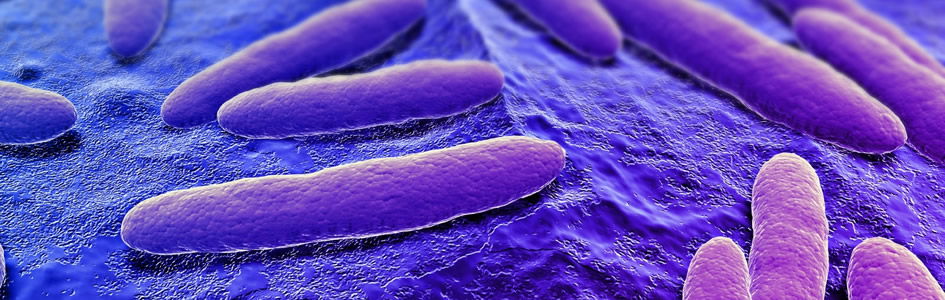
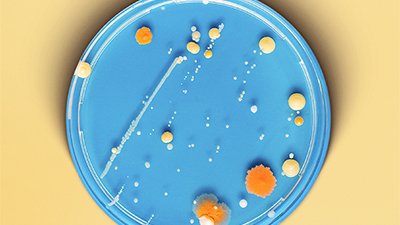
The Creator filled the earth with all the chemicals that living things could ever need. But special “go-betweens” were necessary to move these treasures from their safe hiding places and convert them into forms we can use. That’s where bacteria come in.
The Origin of Microorganisms
Evolutionists must explain how cells, once they emerged from lifeless matter, diversified into the many life forms we see today. It is supposed that some extinct ancestor of the archaebacteria and eubacteria developed the necessary biologic machinery to survive.
Microorganism Helps Develop Site-specific Drug Delivery
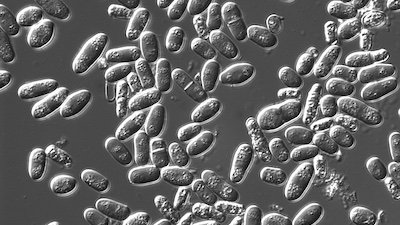
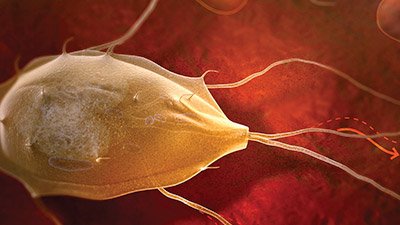
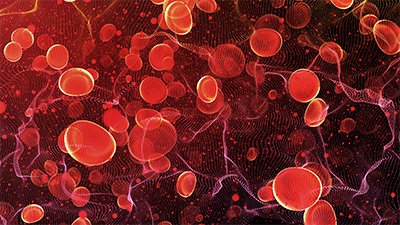
Who knew that a well-known parasite might lead to the next major breakthrough in medical treatment? Scientists are leading the way to understand how microscopic creatures (primarily Giardia lamblia) move through the bloodstream. The goal? Construct micro-robots that can navigate the dangerous twists and turns of the bloodstream.
Indestructible Microscopic Wonder
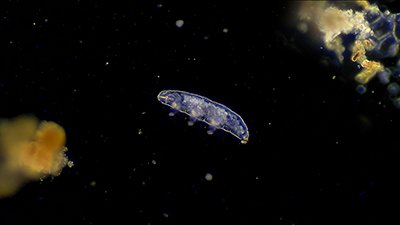
Scientists discovered that water bears can survive pressure up to six times the deepest ocean trench’s pressure. When subjected to the complete vacuum of space and direct radiation from the sun, they lived. Water bears can even survive for almost ten years totally dehydrated. To resurrect them, all you have to do is add water.
Articles About Microbiology
-
April 1, 2025 from Answers Magazine
This microscopic, plant-like organism needs sunlight to photosynthesize—and it’s a long way up to the light!
-
April 1, 2025 from Answers Magazine
Bacteria are anything but simple or primitive organisms, as evolutionists suggest.
-
May 12, 2024 from Answers Magazine
Scientists claim some bacteria have been resurrected after hundreds of millions of years. But what’s really happening?
-
April 17, 2024 from Answers Magazine
We’ve now unlocked some of our body’s incredible secrets for rapid response to the ever-changing threat from microbe invaders.
-
Jan. 1, 2024 from Answers Magazine
Even in a fallen world, we see how God has arranged everything to work together in an orderly—and brilliant—fashion.
-
Nov. 5, 2023 from Answers Magazine
Prominent scientists are speaking out against Darwinian evolution, and they’re not even creationists.
-
Oct. 2, 2022 from Answers Magazine
How did disgusting parasites become part of God’s “very good” creation?
-
Aug. 3, 2022 from Answers in Depth
The complexity and coordination of flagella attest to the work of a Master Engineer who designed and created them to function in a wonderfully intricate manner.
-
Jan. 19, 2022 from Answers in Depth
How Christian Gram’s providential bacteria discovery in 1883 helped improve bacterial taxonomy and identify pathogens of infectious diseases.
-
Jan. 1, 2022 from Answers Magazine
In God’s vibrant creation, even blood comes in different colors.
-
Jan. 1, 2022 from Answers Magazine
Antibiotics allow us to combat bacteria, but bacteria are fighting back.
-
Nov. 16, 2021 from Answers in Depth
Just as the baker uses yeasts to transform hard, flat dough into new bursting life in bread and beverages, the Creator makes new living creatures in Christ.
-
Oct. 14, 2021 from Ken Ham Blog
Recently found tardigrade fossils are “16 million years old” but show virtually no changes from 540-million-year-old fossils, thus stumping evolutionists.
-
Aug. 6, 2021 from Answers in Depth
The molecular complexities of staphylococci mechanisms indicate the signature of a divine Designer who has placed his signature on his art piece, staphylococci.
-
May 16, 2021 from Answers Magazine
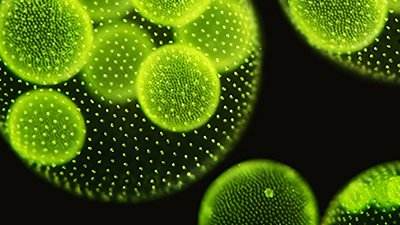
Ever heard of Volvox? Witness the flawless pirouettes of this single-celled wonder in your local pond scum.
-
Feb. 28, 2021 from Answers Magazine
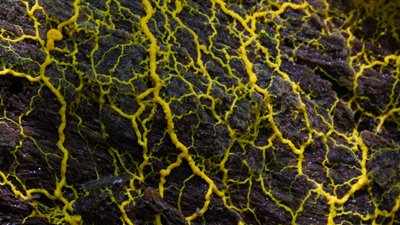
Food-gathering slime molds can build a complex network as efficient as Tokyo’s rail system in just 24 hours, without giving it a second thought!
-
Oct. 1, 2020 from Answers Magazine
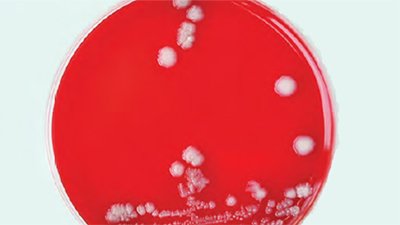
Bacteria are everywhere—in air, water, soil, plants, animals, and even inside you!
-
Nov. 1, 2019 from Answers Magazine
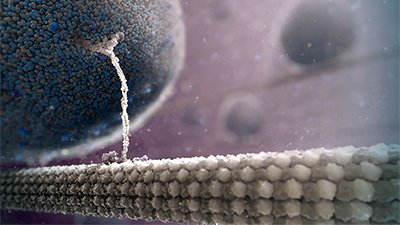
The cells in your body are bustling with a protein, called kinesin, that faithfully delivers hefty “packages” to each destination.
-
Sept. 15, 2019 from Answers Magazine
What if we could design a super-small, versatile machine that could travel up blood vessels to deliver targeted medical aid?
-
Aug. 2, 2019 from Answers in Depth
Blood reveals much about the majesty of our Creator and Master Craftsman, irreducible complexity, and the health or disease state of the human body.
-
June 19, 2019 from Answers in Depth
The Creator made all creatures, including amoebas, with variation and plasticity in their genome for global differences of climate, terrain, and environment.
-
March 1, 2019 from Answers Magazine
A Canadian graduate student has discovered a life form so different from everything else that it doesn’t fit into the plant, animal, or other known kingdoms.
-
Dec. 8, 2018 from Answers in Depth
It’s commonly assumed that mutations associated with genetic diseases and cancers occur because they disrupted otherwise ordered proteins, but is this the case?
-
Nov. 28, 2018 from Answers in Depth
References to Noah’s Ark abound in the culture and even have been used to describe recent efforts to store strains of microbes (instead of animals).






Support the creation/gospel message by donating or getting involved!

Answers in Genesis is an apologetics ministry, dedicated to helping Christians defend their faith and proclaim the good news of Jesus Christ.
- Customer Service 800.778.3390
- Available Monday–Friday | 9 AM–5 PM ET
- © 2026 Answers in Genesis